
Reels
Civil Rights on Film
From Micheaux's answer to Griffith to the March on Washington.
Curated by Popcorn Curators · 19 films · 18h 09m
Essay · Popcorn Curators
The moving-image record of the Black freedom struggle has two strands: the "race films" made by Black filmmakers for Black audiences outside Hollywood, and the government footage of the movement itself. Both were largely ignored by the copyright system, which is why so much survives in the public domain.
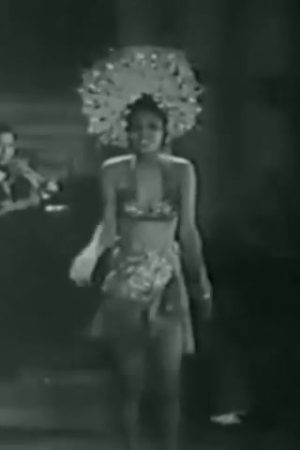
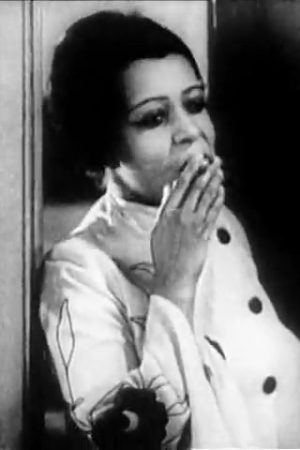
Oscar Micheaux is the first strand's central figure. Within Our Gates (1920), his answer to The Birth of a Nation, was made five years after Griffith's film and rediscovered in a Spanish archive in the 1970s; Body and Soul (1925) gave Paul Robeson his first screen role; The Exile (1931) was the first Black-produced sound feature; Ten Minutes to Live (1932), Murder in Harlem (1935), Swing! (1938) and Lying Lips (1939) show him adapting to sound on almost no money. Within Our Gates and Body and Soul are on the National Film Registry.
Around him: The Scar of Shame (1927), the Colored Players Film Corporation's drama of colour prejudice within the Black middle class; The Emperor Jones (1933) with Robeson; The Duke Is Tops (1938), Lena Horne's first film; Herb Jeffries as the singing cowboy in The Bronze Buckaroo (1939); and Spencer Williams's The Blood of Jesus (1941, National Film Registry) and Go Down, Death! (1944), religious films made in Texas for the Southern church circuit.
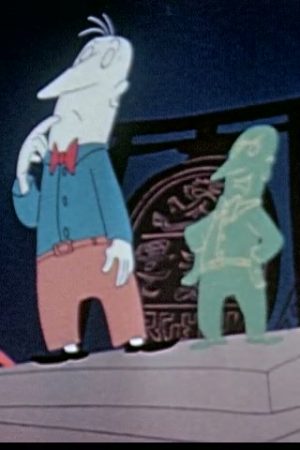
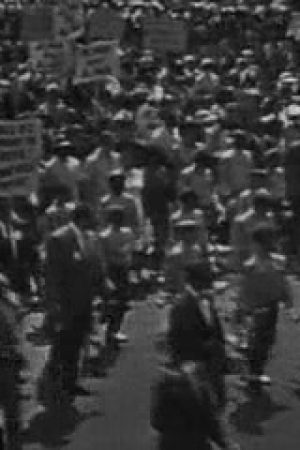
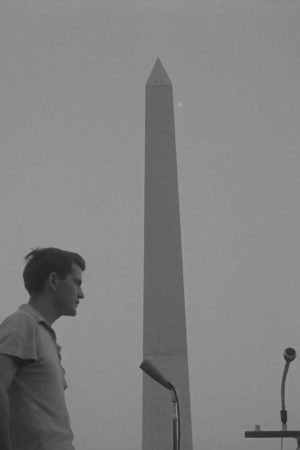
The second strand begins in wartime. The Negro Soldier (1944) was the Army's own argument for integration; Brotherhood of Man (1946), UPA's cartoon for the auto workers' union, taught anti-racism in seven minutes. Then the movement: the National Archives' raw footage of The March on Washington (1963), James Blue's The March (1964), the U.S. Information Agency's documentary of the same day that the Registry added in 2008, Nine from Little Rock (1964), Charles Guggenheim's Oscar-winning account of the Little Rock Nine, and the Archives' silent footage of Selma to Montgomery (1965).
A note on rights: the government films are public domain, but the text of Dr King's "I Have a Dream" speech is separately copyrighted by his estate; Popcorn streams the government documentaries in full and does not extract the speech as a standalone clip.
Watch in order
- 1
 Within Our Gates
1919 · 1h 17m
- 2
 Body and Soul
1925 · 1h 20m
- 3
 The Scar of Shame
1927 · 1h 27m
- 4
 The Exile (1931)
1931 · 1h 18m
- 5
 Ten Minutes to Live
1932 · 57m
- 6
 The Emperor Jones
1933 · 1h 13m
- 7
 Murder in Harlem
1935 · 1h 35m
- 8
 Swing!
1938 · 1h 08m
- 9
 The Duke is Tops
1938 · 1h 13m
- 10
 Lying Lips
1939 · 1h 08m
- 11
 The Bronze Buckaroo
1939 · 56m
- 12
 The Blood Of Jesus
1941 · 57m
- 13
 The Negro Soldier
1943 · 40m
- 14
 Go Down, Death!
1944 · 54m
- 15
 Brotherhood of Man, The
1946 · 11m
- 16
 THE MARCH ON WASHINGTON
1963 · 20m
- 17
 The March
1963 · 32m
- 18
 Nine From Little Rock (1964)
1964 · 18m
- 19
Civil Rights on Film
1919 · Free
1925 · Free
1927 · Free
1931 · Free
1932 · Free
1933 · Free
1935 · Free
1938 · Free
1938 · Free
1939 · Free
1939 · Free
1941 · Free
1943 · Free
1944 · Free
1946 · Free
1963 · Free
1963 · Free
1964 · Free