
Reels
Prelinger Ephemera 101
The films America made to sell itself a way of life.
Curated by Popcorn Curators · 18 films · 4h 50m
Essay · Popcorn Curators
In 1983 Rick Prelinger began collecting what nobody else wanted: the sponsored, educational and industrial films that companies, schools and government agencies had commissioned by the tens of thousands and then thrown away. By the time the Library of Congress acquired the collection in 2002, the Prelinger Archives held some 60,000 reels, and more than 10,000 of them have since been scanned and put online at the Internet Archive. This Reel is the guided tour.
Start with A Date with Your Family (1950), ten minutes of dinner-table etiquette that reads today like science fiction, then Are You Popular? (1947) and Shy Guy (1947), Coronet Instructional Films made for high-school social-guidance classes. Dating: Do's and Don'ts (1949) walks a boy called Woody through his first date with the help of an animated "Wise Owl". Watch how each film ends in the same place: a well-behaved teenager, a tidy suburban home, a nation at ease.
The sponsors reveal themselves in the next group. Design for Dreaming (1956), a musical sales fantasy for General Motors' Motorama, sends a woman in a tulle gown floating through a kitchen of the future. The Relaxed Wife (1957) is a pharmaceutical pitch for a tranquilliser disguised as a rhyming lifestyle short. In the Suburbs (1957) was made by Redbook magazine to prove to advertisers that young families were worth reaching. Freedom Highway (1956), Master Hands (1936) and the Middleton Family at the New York World's Fair (1939) were paid for by Greyhound, Chevrolet and Westinghouse respectively; Master Hands and the Middleton Family are now on the National Film Registry.
Then the dark side of the genre: Boys Beware (1961) and Perversion for Profit (1964) show how the same techniques were used to spread fear, while Brotherhood of Man (1946), an animated film by the UPA studio for the United Auto Workers, used them to argue against racism. The Reel closes with two films that explain the machinery of the century, How a Watch Works (1949) and The Story of Television (1956), and with Duck and Cover (1951), the civil-defence cartoon that taught a generation to hide under its desk.
Prelinger has always argued that these films are as revealing as any feature: they show what institutions wanted people to believe, and what people were assumed to want. Almost all were published without a copyright notice or never renewed, which is why they can be watched, cut up and reused today.
Watch in order
- 1
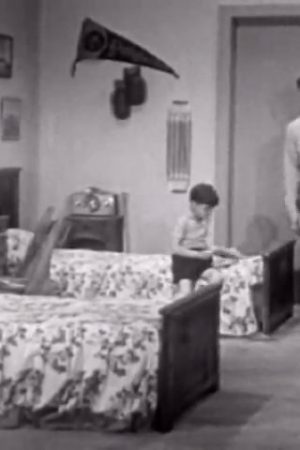 Date With Your Family, A
1950 · 10m
- 2
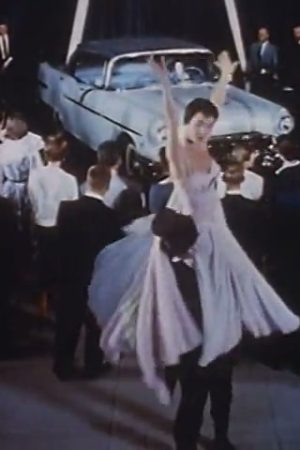 Design for Dreaming
1956 · 9m
- 3
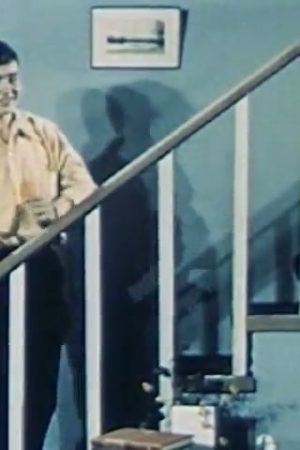 Dating: Do's and Don'ts
1949 · 12m
- 4
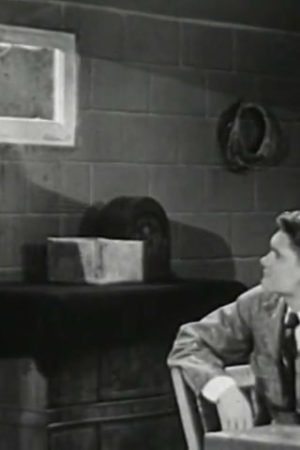 Shy Guy
1947 · 13m
- 5
 Are You Popular?
1947 · 10m
- 6
 In The Suburbs
1957 · 20m
- 7
 A is for Atom
1953 · 14m
- 8
 Relaxed Wife, The
1957 · 13m
- 9
 Freedom Highway (Part I)
1956 · 21m
- 10
 Coffee House Rendezvous (Part I)
1969 · 13m
- 11
 Perversion for Profit
1964 · 31m
- 12
 Boys Beware
1961 · 10m
- 13
 Brotherhood of Man, The
1946 · 11m
- 14
- 15
 Master Hands (Part I)
1936 · 5m
- 16
 How a Watch Works
1949 · 19m
- 17
 Story of Television, The
1956 · 15m
- 18
 Duck and Cover
1951 · 9m
Prelinger Ephemera 101
1950 · Free
1956 · Free
1949 · Free
1947 · Free
1947 · Free
1957 · Free
1953 · Free
1957 · Free
1956 · Free
1969 · Free
1964 · Free
1961 · Free
1946 · Free
1936 · Free
1949 · Free
1956 · Free
1951 · Free