
Reels
Silent Comedy Masters
Chaplin, Keaton, Lloyd, Arbuckle, Normand and the art of falling down.
Curated by Popcorn Curators · 22 films · 10h 26m
Essay · Popcorn Curators
Slapstick was the first genre cinema invented for itself. It needed no words, travelled everywhere and taught a global audience what the medium could do with a body, a staircase and a well-timed cut. This Reel follows it from the Keystone lot in 1914 to the last silent two-reelers of 1929.
Kid Auto Races at Venice (1914) is the first released film in which Charlie Chaplin's Tramp appears on screen, improvised at a children's soapbox derby. Two years later at Mutual he had complete control: The Pawnshop and The Rink (both 1916), Easy Street and The Immigrant (both 1917) are the films where the character acquired its pathos. The same studio system produced Roscoe "Fatty" Arbuckle's Fatty's Tintype Tangle (1915) and Mabel Normand's Mabel's Blunder (1914), which Normand wrote and directed herself; both are on the National Film Registry.
Buster Keaton learnt his trade with Arbuckle and struck out on his own in 1920. One Week, Neighbors and The Scarecrow (all 1920), The Haunted House, The Playhouse and The Boat (all 1921) and Cops (1922) are the two-reelers that established his deadpan physics; The Playhouse's multiple-exposure minstrel show is still a technical marvel. The features followed: Sherlock Jr. (1924), The General (1926), Keaton's Civil War epic that was a financial failure and is now routinely voted among the best films ever made, and The Cameraman (1928), his first for MGM and the last in which he had real freedom.
Harold Lloyd's "glasses character" was the most commercially successful of the three. Never Weaken (1921) is the short that perfected his high-rise thrills, Safety Last! (1923) put him on the clock face above Los Angeles, and The Freshman (1925), included here under its alternative release title College Days, was the biggest comedy of its decade. Laurel and Hardy close the Reel: The Battle of the Century (1927) contains the greatest pie fight ever filmed, and Big Business (1929), in which a Christmas-tree sale escalates into the mutual destruction of a house and a car, was one of their last and best silents.
Everything published in the United States before 1931 is in the public domain there; the Chaplin, Keaton and Lloyd titles remain protected in most of Europe because the directors died less than seventy years ago, and Popcorn shows the applicable rights statement on every film page.
Watch in order
- 1
 Kid Auto Races at Venice
1914 · 7m
- 2
 Charlie Chaplin's " The Pawnshop"
1916 · 20m
- 3
 Charlie Chaplin's "The Rink"
1916 · 20m
- 4
 Charlie Chaplin's "Easy Street" (1917)
1917 · 23m
- 5
 Charlie Chaplin's "The Immigrant"
1917 · 20m
- 6
- 7
 MABEL'S BLUNDER (1914)
1914 · 18m
- 8
 One Week
1920 · 22m
- 9
 Neighbors
1920 · 18m
- 10
 Buster Keaton's "The Scarecrow" (1920)
1920 · 18m
- 11
 The Haunted House
1921 · 21m
- 12
 The Playhouse
1921 · 22m
- 13
 The Boat
1921 · 26m
- 14
 Cops
Cops1922 · 16m
- 15
 Sherlock Jr. 1924
1924 · 45m
- 16
 The General (complete & clearer) (1926)
1926 · 1h 19m
- 17
- 18
 Never Weaken
1921 · 29m
- 19
 Safety Last! (1923)
1923 · 1h 14m
- 20
 The Freshman (College Days) (1925)
1925 · 1h 16m
- 21
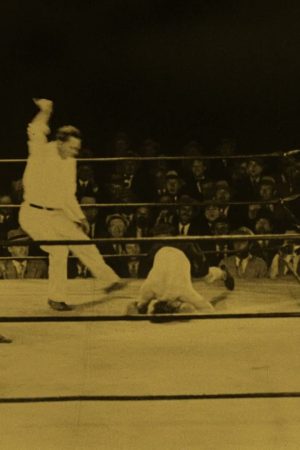 The Battle of the Century
1927 · 27m
- 22
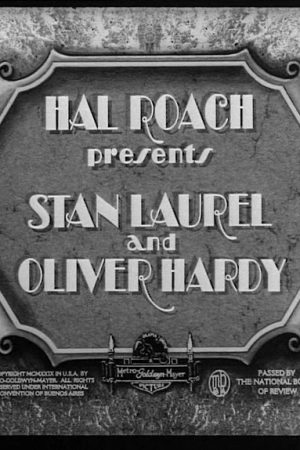 Big Business
1929 · 19m
Silent Comedy Masters
1914 · Free
1916 · Free
1916 · Free
1917 · Free
1917 · Free
1915 · Free
1914 · Free
1920 · Free
1920 · Free
1920 · Free
1921 · Free
1921 · Free
1921 · Free
1922 · Free
1924 · Free
1926 · Free
1921 · Free
1923 · Free
1925 · Free
1927 · Free
1929 · Free